Last updated August 6, 2026
Back to all festivalsPhool Dei
March-April (Chaitra month)1 day
A harvest festival marking the arrival of spring
Cultural Significance
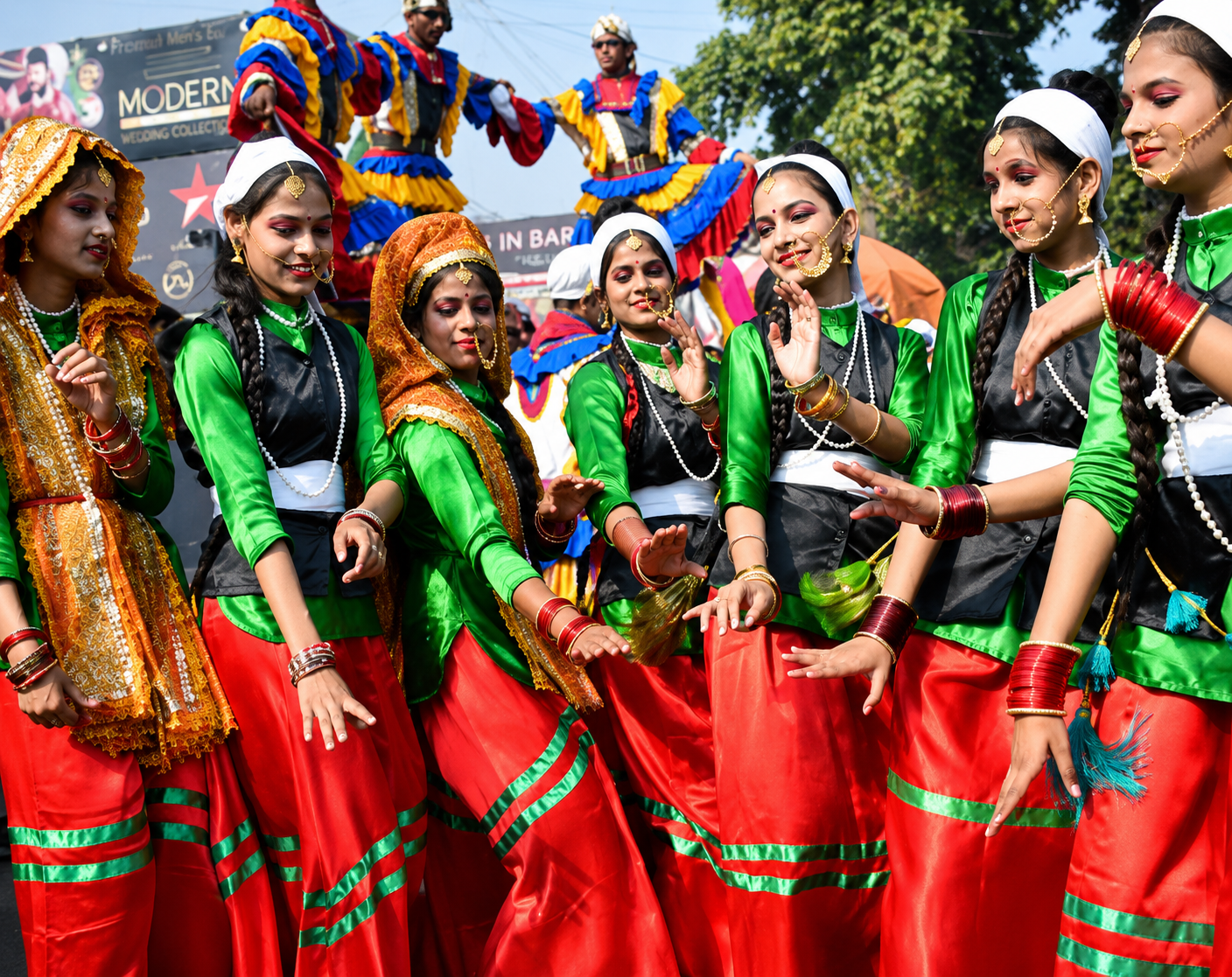
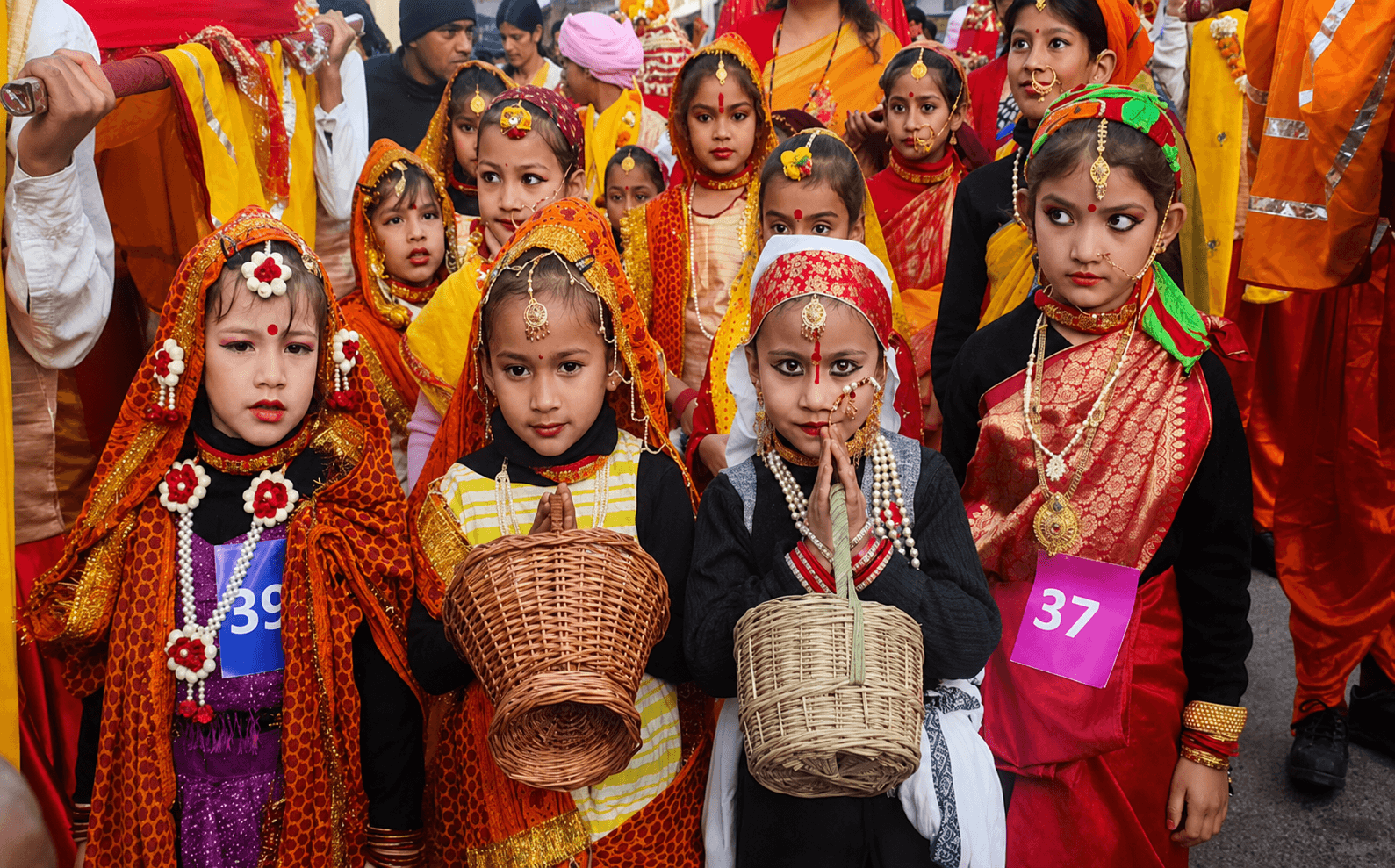
Celebrates the beginning of the spring season and new agricultural cycle. Children go door-to-door offering flowers and receive blessings and sweets.
Celebrations & Activities
- 1Children collect flowers and place them at doorsteps
- 2Singing traditional songs
- 3Distribution of sweets and rice
- 4Welcoming spring season
Traditional Rituals
- •Children rise at dawn and go house to house before anyone else is awake
- •Flowers are scattered on the threshold (dehli) of each home, never handed directly to the household
- •Households return blessings along with jaggery, sweets, or small coins
Mythology
Phool Dei has no single canonical origin myth; it is understood locally as a nature-worship tradition tied to the return of spring blooms after the harsh Himalayan winter, with the flower offering symbolizing renewal, prosperity, and the goodwill of children carried into every home in the village.
Regional Variations
The festival is celebrated across both Garhwal and Kumaon, but the exact songs sung at each doorstep and the sweets given in return vary from village to village; some Kumaoni villages extend the door-to-door ritual for several days rather than the single main day observed elsewhere.
You might also like
More Festivals in Uttarakhand
July (Shravan month)
10 days
Harela
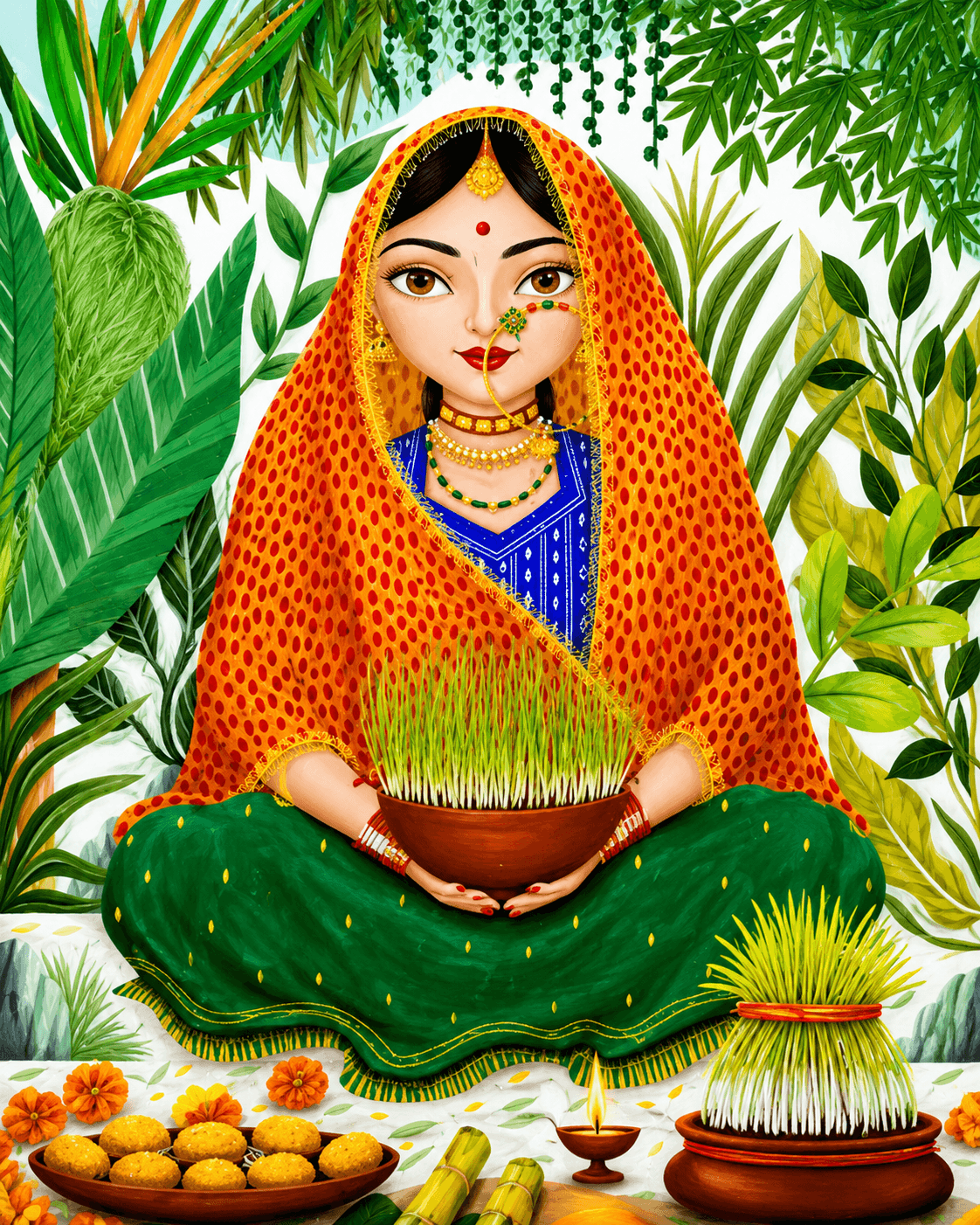
An agricultural festival celebrating the sowing season
Significance
Marks the beginning of the rainy season and agricultural activities. Seeds are sown in baskets as a symbol of good harvest.
Once every 12 years (August-September)
19 days
Nanda Devi Raj Jat
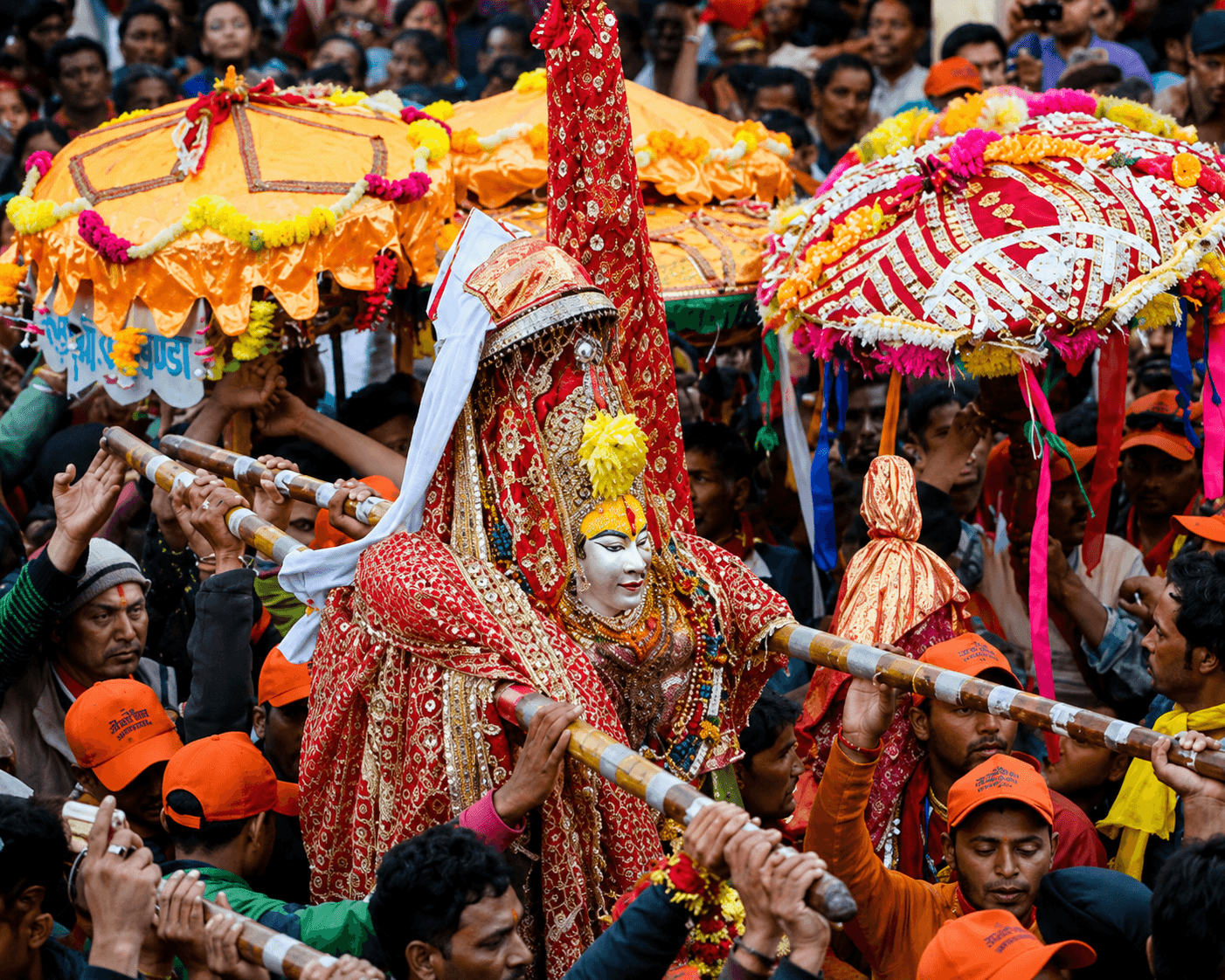
A pilgrimage and festival held once every 12 years in honor of Goddess Nanda
Significance
One of the most significant religious festivals in Uttarakhand. UNESCO Intangible Cultural Heritage. A 280 km pilgrimage through the Himalayas.