Last updated August 6, 2026
Back to heritage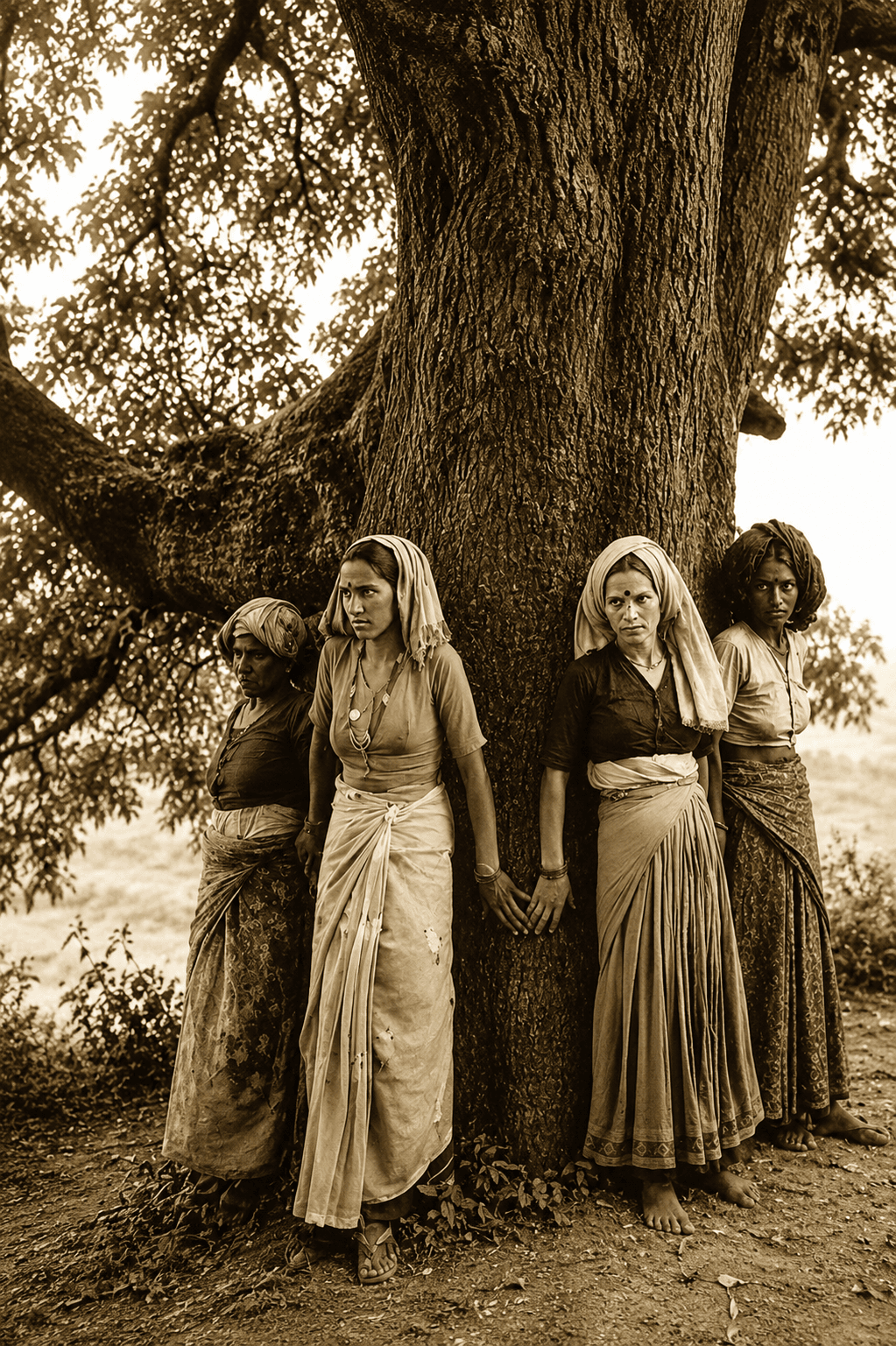
Chipko Movement
Belief & MovementHistoric environmental movement where villagers hugged trees to prevent deforestation
Cultural Significance
Started in 1973 in Uttarakhand. Led by women, it became a global symbol of ecological conservation. Influenced forest policies in India.
Where to Find
Originated in Mandal village, Chamoli. Memorials and information centers in Gopeshwar and other locations.
Preservation Efforts
Legacy preserved through environmental education and memorials. The movement's principles guide conservation efforts.
Government Recognition
The movement is widely credited with influencing Indian forest policy, contributing to a 15-year ban on commercial green felling in Himalayan forests of Uttar Pradesh (as the region was then part of) announced by the central government in 1980, and shaping the Forest Conservation Act of 1980. Key figures associated with the movement, including Sunderlal Bahuguna and Chandi Prasad Bhatt, later received national civilian honours for their environmental work, and the movement is frequently cited internationally as an early and influential example of grassroots ecological activism.
You might also like
More Heritage from Uttarakhand
Art Form
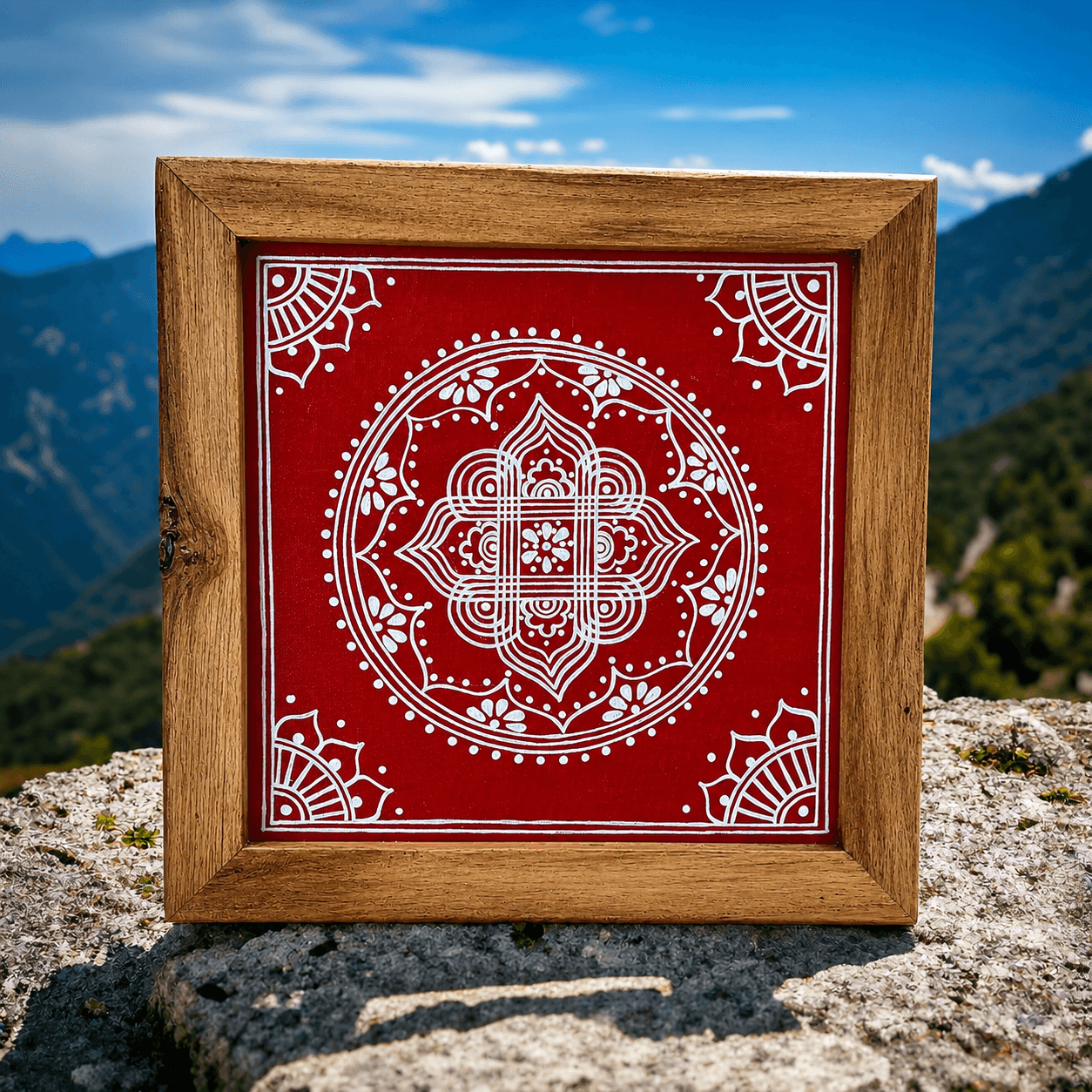
Aipan Art
A traditional ritualistic folk art form practiced in Kumaon region, drawn on walls, floors, and paper
Significance
Created during festivals, weddings, and religious ceremonies. Each design has symbolic meaning related to prosperity, protection, and spirituality.
Kumaon region - Almora, Nainital, Pithoragarh. Available in handicraft shops and cultural centers.

Handicraft
Ringal Handicrafts
Intricate bamboo weaving using Ringal, a local variety of bamboo
Significance
Traditional eco-friendly craft producing baskets, mats, furniture, and decorative items. Provides livelihood to hill communities.
Available throughout Uttarakhand. Major centers: Almora, Nainital, Tehri.