Last updated August 6, 2026
Back to heritage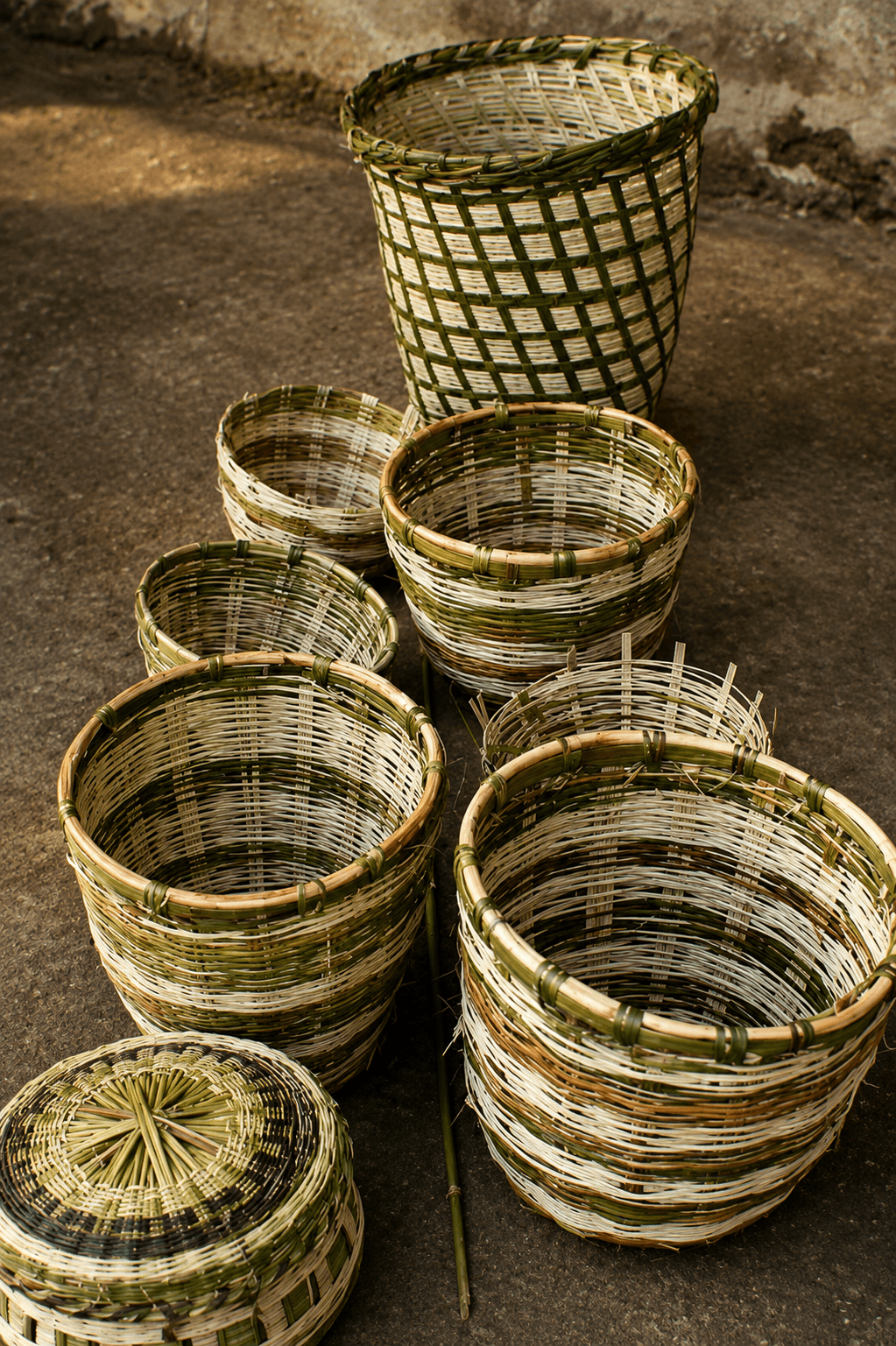
Ringal Handicrafts
HandicraftIntricate bamboo weaving using Ringal, a local variety of bamboo
Cultural Significance
Traditional eco-friendly craft producing baskets, mats, furniture, and decorative items. Provides livelihood to hill communities.
Where to Find
Available throughout Uttarakhand. Major centers: Almora, Nainital, Tehri.
Preservation Efforts
Supported by government schemes. Training centers established to teach young artisans.
Materials
Ringal — a thin, hardy hill bamboo species that grows wild across Uttarakhand's mid-to-high elevation forestsNatural fibers occasionally used alongside Ringal strips for binding and reinforcement
Craftsmanship
You might also like
More Heritage from Uttarakhand
Art Form
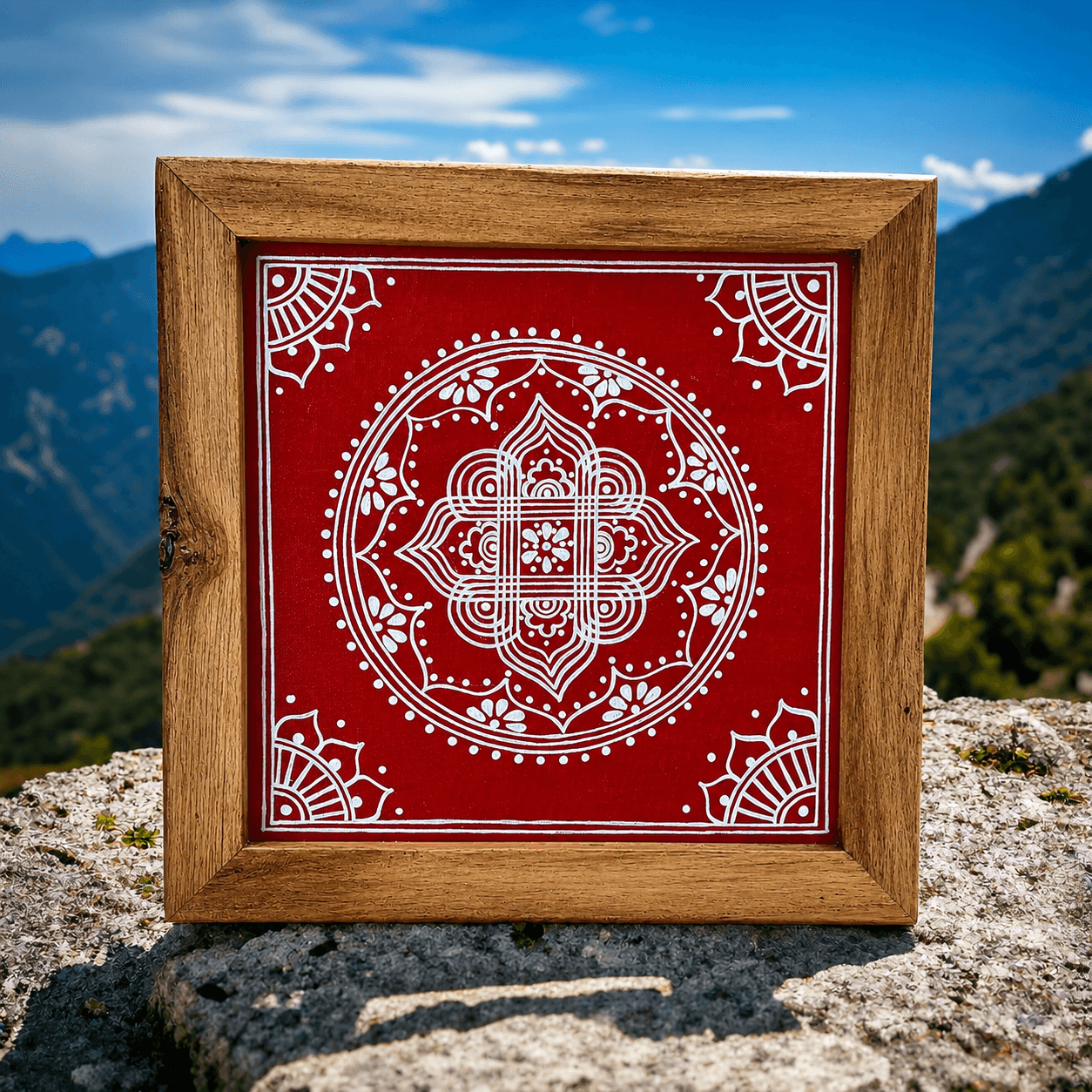
Aipan Art
A traditional ritualistic folk art form practiced in Kumaon region, drawn on walls, floors, and paper
Significance
Created during festivals, weddings, and religious ceremonies. Each design has symbolic meaning related to prosperity, protection, and spirituality.
Kumaon region - Almora, Nainital, Pithoragarh. Available in handicraft shops and cultural centers.
Belief & Movement
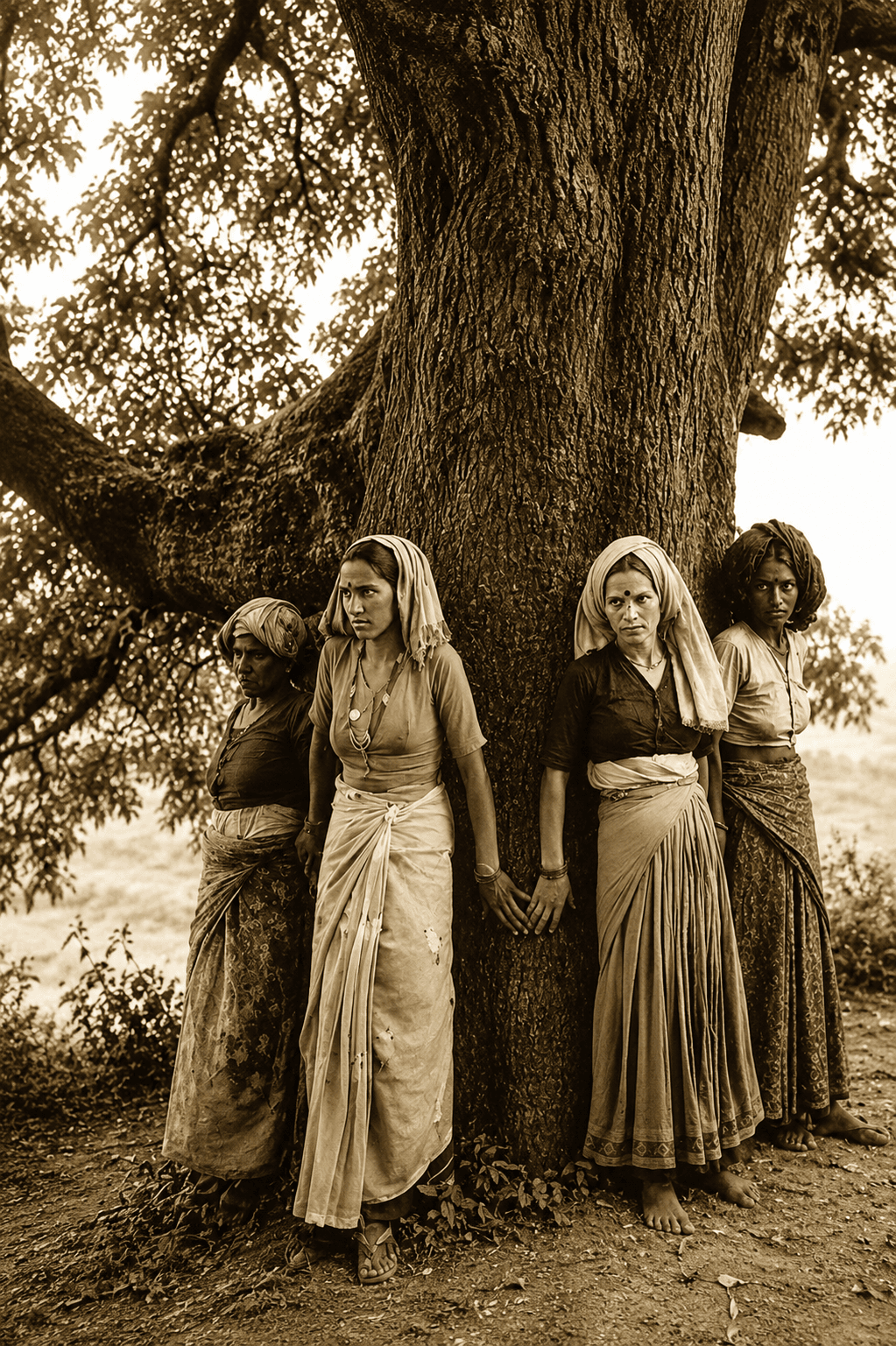
Chipko Movement
Historic environmental movement where villagers hugged trees to prevent deforestation
Significance
Started in 1973 in Uttarakhand. Led by women, it became a global symbol of ecological conservation. Influenced forest policies in India.
Originated in Mandal village, Chamoli. Memorials and information centers in Gopeshwar and other locations.